


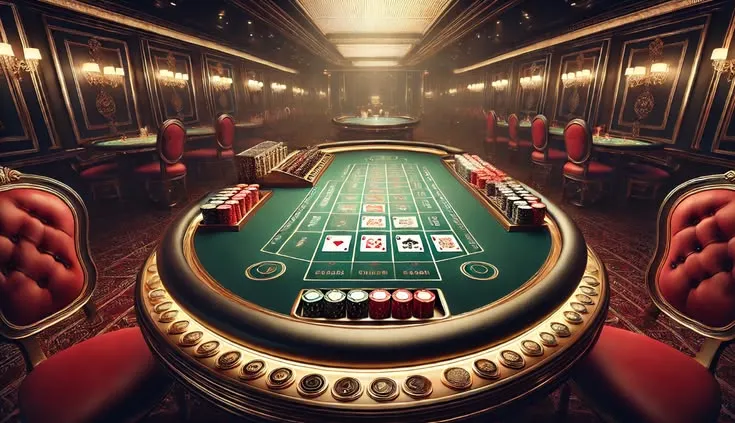
Live baccarat can appear effortless on screen: cards are dealt, totals are calculated, and the next round begins within seconds. Behind that flow, however, the table follows a controlled sequence involving card shoes, cut cards, burn procedures, and scheduled shoe changes. Someone exploring Live Casino Malaysia may see several baccarat tables running simultaneously, yet each depends on clear dealing procedures to keep the game organized. Understanding these mechanics gives players useful context without suggesting that any shoe pattern can predict future hands.
The Role of the Shoe
A baccarat shoe holds multiple decks of cards and allows the dealer to draw them in sequence throughout a session. Live tables commonly use several decks rather than reshuffling after every hand.
Using a shoe keeps the game moving at a steady pace. It also means many rounds can be completed before a full replacement or reshuffle is required. The exact deck count depends on the table rules and provider.
Why Cards Are Shuffled
Before a new shoe begins, the decks must be randomized according to the provider’s procedure. This may be done manually, by an automatic shuffling device, or through controlled steps.
The purpose is to prevent the original deck order from determining future hands. Players should not assume that watching previous results can reveal the remaining sequence, because the dealing process is designed around randomized card order.
Understanding the Cut Card
After shuffling, a cut card is inserted into the shoe at a specified position. It acts as a marker showing when the current shoe is approaching its end.
The cut card does not identify a winning hand or change card values. Once it appears during dealing, the table normally completes the appropriate round and prepares to end or replace the shoe according to established procedures.
The Burn Procedure
Many baccarat tables begin a fresh shoe by burning one or more cards before normal play starts. The exact procedure can depend on the baccarat format.
In one common approach, an initial card determines how many additional cards are removed from play. Someone watching a Malaysia Online Live Casino table may see this happen before the first regular hand. It is simply part of the dealing procedure rather than a signal about future results.
When a Shoe Ends
A shoe does not necessarily continue until every last card has been dealt. The cut-card position creates a practical stopping point so the dealer can finish the shoe in an orderly way.
Once that point is reached, the remaining cards are removed and a new shoe is prepared. The exact timing may vary depending on table rules, but the transition should be handled consistently.
Shoe Changes and Table Pace
Changing a shoe briefly interrupts the normal rhythm of live baccarat. Dealers may remove used cards, introduce prepared decks, complete required checks, and then restart play.
Some studios use pre-shuffled shoes to reduce downtime. Others may show more of the preparation process on camera. These differences affect pacing, not the probability of a particular Player or Banker result.
Why Players Notice Shoe History
Baccarat interfaces often display Player, Banker, and Tie histories for the current shoe. Because these results sit beside the live video, it can be tempting to connect the physical shoe with visible streaks.
A sequence of Banker wins does not prove that the remaining cards will favor Player. Likewise, a shoe with alternating outcomes does not establish a rule that the pattern must continue. Historical displays describe completed hands only.
Table Procedures Support Consistency
Card shoes, cut cards, burn procedures, and scheduled replacements help create a repeatable table process. They make it clear when a shoe starts, when dealing should stop, and how the next sequence is prepared.
For users, this procedural knowledge is more useful than searching for hidden signals. The mechanics explain how the table is operated, but they do not create a reliable method for forecasting the next hand.
Conclusion
A live baccarat shoe involves more than simply drawing cards until the decks are empty. Shuffling randomizes the starting order, the cut card marks the later stage of the shoe, burn procedures remove cards according to table rules, and shoe changes reset the physical dealing process.
These steps help live baccarat run consistently, but none turns previous results into a prediction system. Understanding what happens behind the table can make the experience easier to follow while keeping expectations realistic. The most useful approach remains to read the table rules, recognize that outcomes are uncertain, and keep gambling activity within predetermined limits.